How Wind Load and Snow Load Affect Solar Mounting System Design?
Quick Answer / Expert Verdict: Wind and snow loads are the most critical environmental factors in solar mounting system engineering. High wind creates extreme aerodynamic uplift forces that can tear panels off roofs, while heavy snow creates massive downward dead weight that can collapse racking structures. A reliable PV mounting system supplier must perform precise structural calculations based on local meteorological data to customize rail thickness, span distance, and foundation depth to ensure a 25-year lifespan.
When developing a utility-scale solar farm or a commercial rooftop array, the solar panels are only as secure as the structure holding them. Mother Nature is unforgiving. With global climate changes leading to more frequent extreme weather events—from unprecedented winter blizzards to Category 5 hurricanes—ignoring environmental conditions during the engineering phase can lead to catastrophic system failures and massive financial losses.
As a global solar mounting engineering expert, Xiamen Sunforson Power Co., Ltd has designed robust, weather-resistant structures for PV projects in over 80 countries. In this comprehensive engineering guide, we will explain exactly how dynamic wind forces and static snow loads impact your arrays, and how to design a truly resilient solar structure.
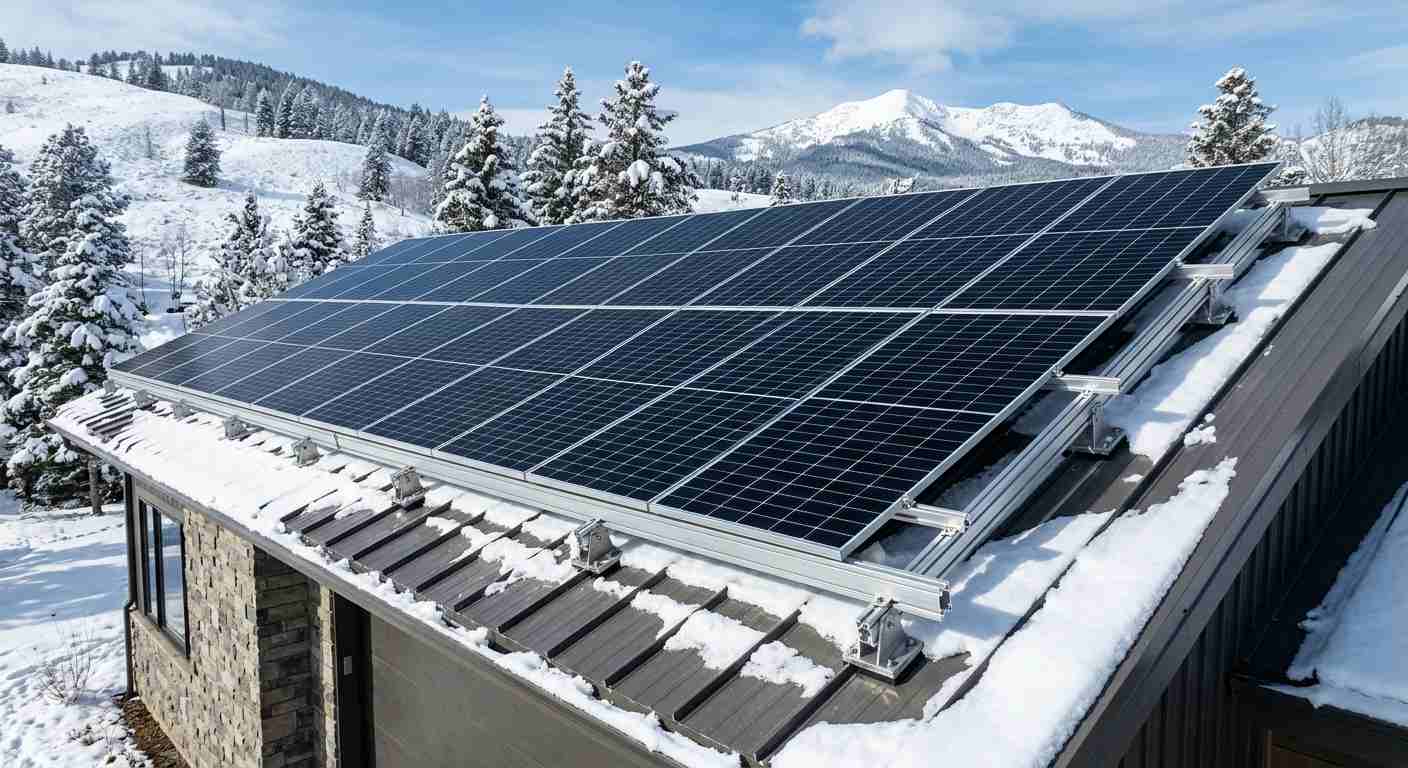
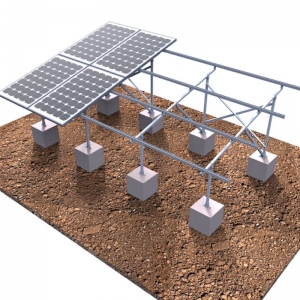
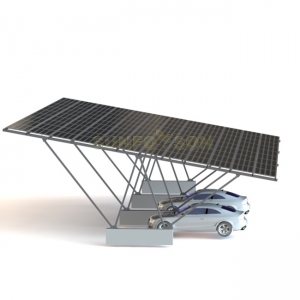
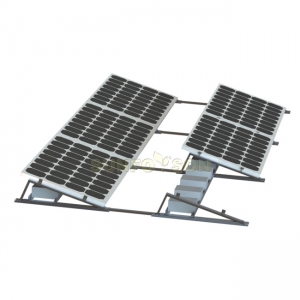
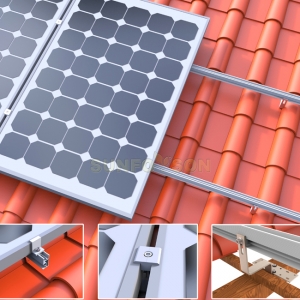
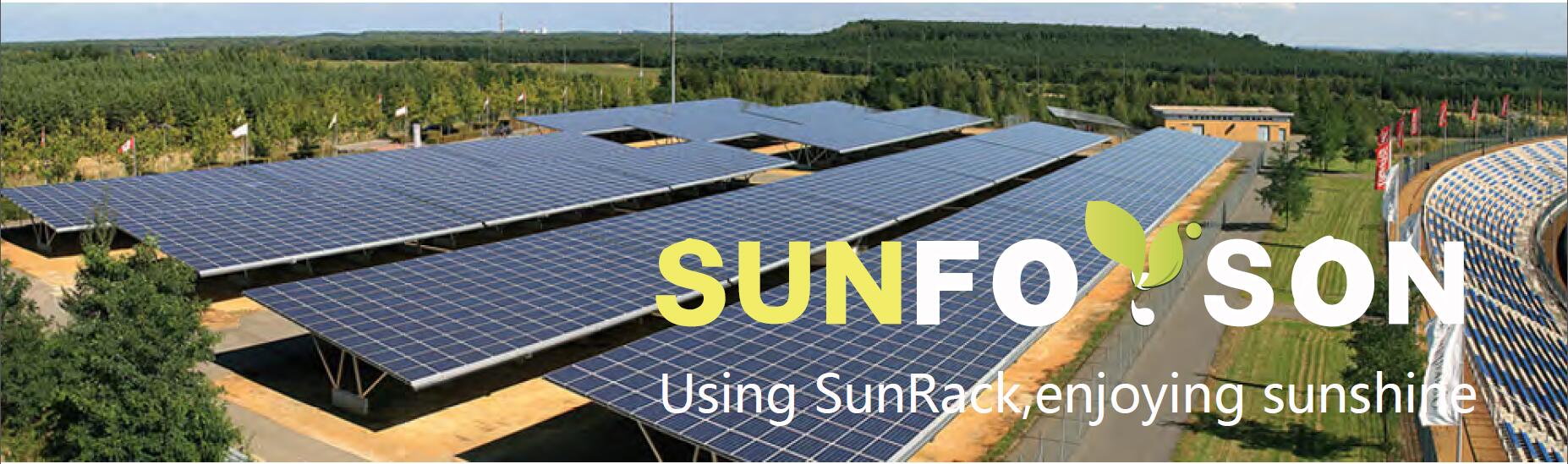
SunRack structures engineered for severe snow and wind loads
1. The Impact of Wind Load on Solar Arrays
Wind does not simply blow against a flat solar panel; it flows over and under the array, creating complex aerodynamic forces. The most dangerous of these is uplift. Similar to the physics of an airplane wing, fast-moving wind passing under tilted solar panels creates a vacuum effect that tries to rip the panels away from the solar roof mount or the ground foundation. Additionally, wind causes severe high-frequency vibrations that can loosen bolts and cause micro-cracks in the solar cells over time.
In regions prone to hurricanes, typhoons, or strong coastal gales, a standard aluminum bracket will inevitably fail. A properly engineered wind resistant solar mounting system requires several critical modifications:
- Wind Deflectors (Wind Shields): For flat roof systems, installing wind deflectors at the rear of the array significantly reduces wind uplift by forcing the air flow over the panels rather than underneath them.
- Heavier Fasteners & Clamps: Upgraded, thicker mid and end clamps, combined with anti-loosening stainless steel bolts, are required to ensure the modules do not slip under severe continuous vibration.
- Reduced Span Distances: The distance between support rails or ground piles must be shortened. A denser supporting grid increases the overall rigidity of the structure, preventing the rails from flexing under wind pressure.
- Optimized Tilt Angles: Steeper angles catch more wind. Engineering teams often recommend lower tilt angles (e.g., 10° to 15°) in high-wind zones to reduce the aerodynamic drag profile.
2. The Impact of Snow Load on Solar Racking
While wind tries to lift the system, snow tries to crush it. Snow accumulation adds tremendous downward pressure—known as dead weight—to the solar panels and the underlying solar racking. Wet snow is particularly dangerous; it is incredibly dense and heavy, easily causing standard aluminum rails to permanently bend or collapse if the support structure is inadequate.
Furthermore, engineers must account for "Snow Creep"—the slow, powerful sliding force of snow moving down the tilted panels, which puts immense stress on the lower clamps and bottom rails. For projects in northern climates (like Canada, Northern Europe) or high-altitude mountainous regions, a specialized snow load solar racking system is non-negotiable. Key design adjustments include:
- Thicker Structural Profiles: Using higher-grade, thicker aluminum extrusions or transitioning completely to hot-dip galvanized steel to prevent rail deflection under tons of accumulated snow.
- Steeper Tilt Angles: Increasing the tilt angle (e.g., 30° to 45°) encourages snow to slide off the smooth glass of the panels naturally by gravity, preventing dangerous long-term accumulation.
- Higher Ground Clearance: For ground solar mounting systems, the lowest edge of the panel must be designed significantly higher off the ground (sometimes over 1 meter). This ensures that sliding snow doesn't pile up on the ground and bury the bottom row of modules.
- Frost Heave Prevention: In freezing climates, the moisture in the soil expands when it freezes, pushing foundations upward. Piles or concrete footings must be driven deep below the local frost line to ensure structural stability.
Engineering Adjustments: High Wind vs. Heavy Snow
| Design Parameter | High Wind Zones (Hurricanes) | Heavy Snow Zones (Winters) |
|---|---|---|
| Primary Destructive Force | Uplift, Drag, and High Vibration | Downward Dead Weight & Snow Creep |
| Optimal Tilt Angle | Lower (Reduces wind drag profile) | Steeper (Promotes gravity snow sliding) |
| Recommended Accessory | Rear Wind Deflectors | Reinforced Bottom Clamps |
| Ground Clearance | Standard | High (Prevents snow burial at bottom edge) |
| Foundation Depth Strategy | Deeper (Resists extreme uplift pull) | Below frost line (Prevents soil heaving) |
Frequently Asked Questions (FAQ) for EPCs & Developers
Q1: What wind speed can Sunforson's mounting systems withstand?
Our standard SunRack solar brackets are designed to withstand high wind speeds up to 60 m/s (approx. 134 mph). However, for extreme hurricane zones, our engineering team provides customized hurricane resistant solar brackets that significantly exceed these limits, ensuring complete safety.
Q2: How does Sunforson calculate the required snow and wind loads?
We do not guess. Our engineers use professional structural analysis software (such as SAP2000 or ANSYS) to perform rigorous Finite Element Analysis (FEA). We take into account your project's specific GPS coordinates, local building codes (such as AS/NZS 1170.2, JIS C 8955, or IBC), and historical meteorological data to perform precise solar mounting wind load calculations.
Q3: Does the material choice affect wind and snow resistance?
Yes. While highly optimized AL6005-T5 aluminum is sufficient for many regions and commercial roofs, severe snow loads often dictate a shift to hot-dip galvanized steel (Q235B/Q355B). Steel offers higher tensile strength and stiffness to resist downward deflection over large spans.
Q4: What happens if I ignore snow clearance height on ground mounts?
If the ground clearance is too low, the snow sliding off the panels will accumulate on the ground and eventually bury the lower row of your modules. This not only causes severe shading and loss of power generation but also creates a "dam" effect that traps more snow, eventually crushing the panels.
Secure Your Solar Investment with Professional Engineering
Don't let unpredictable weather threaten your multi-million dollar PV project. Xiamen Sunforson Power Co., Ltd provides highly customized, structurally calculated solar mounting systems designed to survive the harshest environments on earth. Let our engineering experts protect your ROI.
Send us your site data for a free structural analysis and engineering quote: info@sunforson.com.