How to Choose a solar mounting system in Hurricane-Prone Areas? 2026-09-01
How to Choose a solar mounting system in Hurricane-Prone Areas?

In hurricane-prone coastal areas, the selection of a solar mount directly impacts the safety and long-term power generation revenue of the power station. Under extreme wind loads, weakly designed solar panel mount are easily overturned or damaged, leading to high maintenance costs and even the scrapping of the entire system. Therefore, specialized design is essential in three aspects: structural strength, anchoring density, and component fixation.

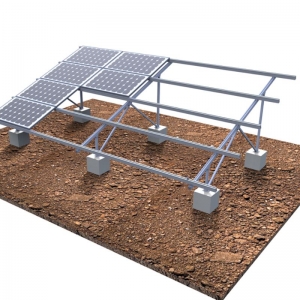
First, enhance the wind resistance of the track structure. In areas with strong winds, solar rail with thicker cross-sections and superior mechanical properties should be selected to ensure they can withstand the enormous uplift and shear forces brought by typhoons, enhancing the overall rigidity of the system from the structural source.

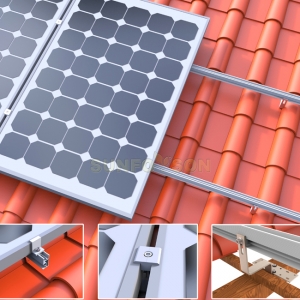
Second, increase the density of anchor points and strengthen foundation fixation. Solar tin roof mount as an example, we enhance the connection strength between the system and the roof by significantly reducing the support span between the L-feet anchors. Under extreme conditions where wind loads reach 70 m/s, we shorten the L-feet anchor span to 750-850 mm. This design effectively disperses wind pressure, ensuring that the anchor points have sufficient pull-out resistance and firmly hold the roof structure.

Third, we increase the number of solar rail rows to distribute the load on the modules. To further enhance the tensile strength between the solar panels and the support structure, we fix three rows of support solar rail on the back of each photovoltaic panel. With the increase in the number of solar rows, the number of solar mid/end clamp and L-feet used to secure the modules also increases accordingly, thereby evenly transferring the stress generated by wind vibration to the entire support system and significantly reducing the risk of single-point failure.
ผลิตภัณฑ์ร้อน
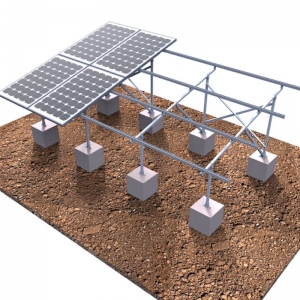
  • พื้นดินคอนกรีตฐานรากติดตั้ง

    พื้นผิวคอนกรีตทนแดด

    ฐานแสงอาทิตย์ SunRack ติดตั้งพลังงานแสงอาทิตย์เป็นพื้นอเนกประสงค์อย่างมากที่ติดตั้งโซลูชั่นที่สามารถนำมาใช้กันอย่างแพร่หลายในการติดตั้งแผงเชิงพาณิชย์และสาธารณูปโภคแผงพลังงานแสงอาทิตย์

  • โครงสร้างติดตั้ง

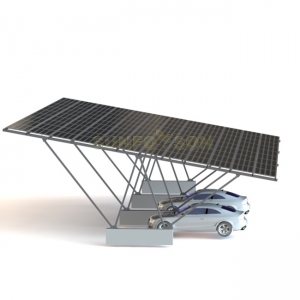
    ระบบติดตั้งที่จอดรถพลังงานแสงอาทิตย์

    ที่จอดรถพลังงานแสงอาทิตย์ SunRack  สามารถออกแบบได้สองรุ่น เป็นแถวเดียวและสองแถว

  • แผงติดตั้งแผงพลังงานแสงอาทิตย์

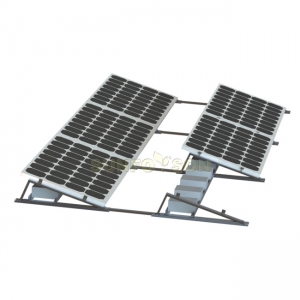
    ระบบยึดบัลลาสต์พลังงานแสงอาทิตย์

    ระบบการติดตั้งพลังงานแสงอาทิตย์แบบบัลลาสต์ ซึ่งเป็นระบบทรงสามเหลี่ยมแบบพับเก็บได้เพื่อประหยัดค่าใช้จ่ายทั้งในด้านการติดตั้งและการขนส่ง แต่ไม่สามารถเจาะได้บนชั้นดาดฟ้า

  • วงเล็บยึดหลังคาสากล

    ระบบติดตั้งพลังงานแสงอาทิตย์หลังคาแหลมคม

    ตะขอสำหรับระบบติดตั้งพลังงานแสงอาทิตย์แบบแหลม ประกอบได้อย่างอิสระตามการมาตรฐานในวัดระยะที่แตกต่างกัน ซึ่งมีแถวของ PVภายใต้มาตรฐาน AS / NZS1170

  • สกรูยึดสกรูดิน

    โครงสร้างยึดสกรูพื้นดิน SunRack

    สกรูยึดดิน 1. ติดตั้งง่าย ความเข้ากันได้ 2.top 3.customized ออกแบบเสนอ 4.ibc และเป็น / nzs 1170

  • พื้นผิวคอนกรีตฐานติดตั้งพลังงานแสงอาทิตย์

    SunRack ติดตั้งพลังงานแสงอาทิตย์แบบแท่น

    พื้นผิวคอนกรีตแบบพื้นผิว SunRack ชนิด B ใช้ดีที่สุดในแบบ 3และ4 แถวหรือสูงกว่าสายดินที่มีโครงสร้างแข็งแรงมากและมีราคาที่แข่งขันได้สูง

  • ติดตั้งฟิล์มบาง ๆ ได้ง่าย sfs-tmc

    ตัวหนีบฟิล์มบางที่มีคุณภาพสูง

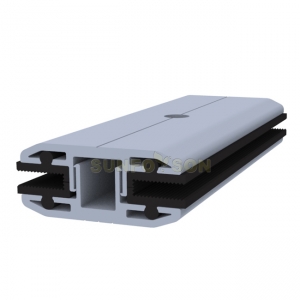
    สายพายสำหรับติดฟิล์มบางสำหรับ SunRack ประกอบด้วยอลูมิเนียมอัดขึ้นรูป 6005-T5, สลักเกลียว A2-70, ยาง EPDM และตัวยึดสแตนเลสสตีล 2. ความยาวที่กำหนดเองได้: 80 มม., 120 มม., 200 มม

ยินดีต้อนรับสู่ Sunforson
หากคุณมีคำถามหรือคำแนะนำโปรดฝากข้อความไว้ให้เราเราจะตอบกลับคุณโดยเร็วที่สุด!
   

บริการออนไลน์

บ้าน

ผลิตภัณฑ์

เกี่ยวกับ

ติดต่อ