เนื่องจากการเปลี่ยนผ่านด้านพลังงานทั่วโลกกำลังเร่งตัวขึ้น เอเชียตะวันออกเฉียงใต้จึงกลายเป็นจุดสนใจใหม่สำหรับการลงทุนด้านพลังงานแสงอาทิตย์ นับตั้งแต่ต้นปี 2026 ภูมิภาคนี้ได้เห็นกิจกรรมด้านพลังงานแสงอาทิตย์เพิ่มขึ้นอย่างมาก ตั้งแต่งานแสดงสินค้าพลังงานแสงอาทิตย์นานาชาติที่คึกคักในอินโดนีเซีย ไปจนถึงคำสั่งของนายกรัฐมนตรีเกี่ยวกับพลังงานแสงอาทิตย์บนหลังคาในเวียดนาม ควบคู่ไปกับการเปิดเส้นทางพลังงานข้ามพรมแดน อุตสาหกรรมพลังงานแสงอาทิตย์ในภูมิภาคนี้กำลังแสดงให้เห็นถึงสัญญาณแห่งความเจริญรุ่งเรือง ซึ่งขับเคลื่อนโดยนโยบาย ความต้องการของตลาด และโครงการต่างๆ
อินโดนีเซีย: “การต่อสู้เพื่อปรับตัว” สำหรับเทคโนโลยี PV ในประเทศหมู่เกาะ
ในฐานะที่เป็นประเทศที่มีขนาดเศรษฐกิจใหญ่ที่สุดในเอเชียตะวันออกเฉียงใต้ อินโดนีเซียมีทรัพยากรแสงแดดที่อุดมสมบูรณ์และมีความต้องการเร่งด่วนในการเปลี่ยนผ่านด้านพลังงาน ศักยภาพนี้สะท้อนให้เห็นอย่างเต็มที่ในงานนิทรรศการ SOLARTECH INDONESIA 2026 ซึ่งปิดฉากลงเมื่อปลายเดือนเมษายน
.
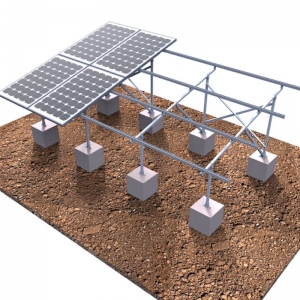
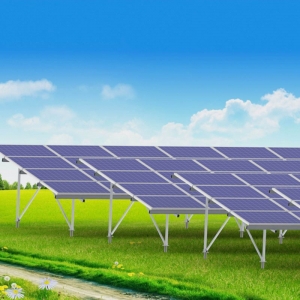
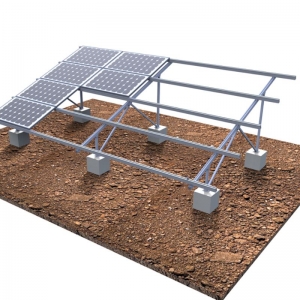
เพื่อรับมือกับความท้าทายอันหนักหน่วงของประเทศอินโดนีเซีย ซึ่งเป็นประเทศที่มีหมู่เกาะนับพันแห่ง ทั้งภูมิประเทศที่ซับซ้อน อุณหภูมิสูง ความชื้นสูง และการกัดกร่อนจากละอองเกลือสูง (สภาพแวดล้อม C4/C5) ผู้ผลิตโครงสร้างติดตั้งแผงโซลาร์เซลล์รายใหญ่จึงได้เปิดตัวโซลูชันที่ตรงเป้าหมาย ตัวอย่างเช่น Hubei Huachuang ได้จัดแสดงระบบโครงสร้างเหล็กกล้าความแข็งแรงสูงแบบติดตั้งบนพื้นดิน “SKYLAND” ซึ่งผลิตจากเหล็กกล้าความแข็งแรงสูงผสมอัลลอยต่ำ Q460B พร้อมการชุบสังกะสีแบบจุ่มร้อนหนาเพื่อป้องกันการกัดกร่อน ออกแบบมาเพื่อสภาพอากาศที่รุนแรงโดยเฉพาะ
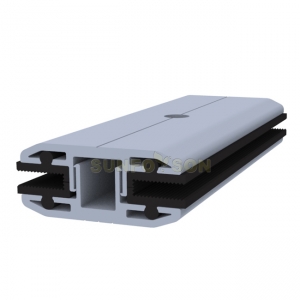
นอกจากนี้ Antaisolar และ SOEASY SOLAR ยังได้เปิดตัวผลิตภัณฑ์ที่มีความทนทานสูง (เหล็กเคลือบ Zn-Al-Mg และโลหะผสม Al-Mg) โดยเน้นความต้านทานการกัดกร่อน ความต้านทานต่อพายุไต้ฝุ่น และคุณสมบัติแบบโมดูลาร์ที่ติดตั้งง่าย เพื่อแก้ไขปัญหาในการก่อสร้างทั่วเกาะต่างๆ ของอินโดนีเซีย
.
ในส่วนของโครงการต่างๆ ก็มีความคืบหน้าอย่างมากเช่นกัน เมื่อวันที่ 22 เมษายน โครงการโรงไฟฟ้าพลังงานแสงอาทิตย์ขนาด 124.84 เมกะวัตต์ บนเกาะบินตัน ประเทศอินโดนีเซีย ซึ่งดำเนินการโดยบริษัท โบกี เอ็นไวโรเมนทัล พรีเซนเทชั่น ได้เริ่มการก่อสร้างอย่างเป็นทางการ ถือเป็นก้าวสำคัญในการขยายธุรกิจพลังงานแสงอาทิตย์แบบกระจายศูนย์ในต่างประเทศของบริษัท
โครงการนี้สนับสนุนเป้าหมายด้านพลังงานแสงอาทิตย์ที่ทะเยียทะยานของอินโดนีเซียโดยตรง ซึ่งตั้งเป้าเพิ่มกำลังการผลิตพลังงานแสงอาทิตย์ 17.1 กิกะวัตต์ในอีกสิบปีข้างหน้า
นอกจากนี้ สื่ออินโดนีเซียรายงานว่า หน่วยงานบริหารการลงทุน Danantara กำลังผลักดันความร่วมมือด้านพลังงานหมุนเวียนข้ามพรมแดนกับสิงคโปร์มูลค่าประมาณ 30 พันล้านดอลลาร์ โดยมุ่งเน้นไปที่โรงไฟฟ้าพลังงานแสงอาทิตย์และสายส่งไฟฟ้า ซึ่งอาจกลายเป็นหนึ่งในโครงการความร่วมมือด้านพลังงานที่ใหญ่ที่สุดของอาเซียน
.
เวียดนาม: การปฏิวัติพลังงานแสงอาทิตย์บนหลังคาที่ขับเคลื่อนด้วยนโยบาย
ในเวียดนาม นโยบายเป็นแรงขับเคลื่อนที่สำคัญที่สุดสำหรับการพัฒนาพลังงานแสงอาทิตย์ เนื่องจากความต้องการใช้ไฟฟ้าที่เพิ่มสูงขึ้น นายกรัฐมนตรีจึงลงนามในคำสั่งหมายเลข 10/CT-TTg ในปี 2026 ซึ่งกำหนดเป้าหมายเฉพาะ 6 ประการสำหรับการประหยัดพลังงานไฟฟ้าและการพัฒนาพลังงานแสงอาทิตย์บนหลังคา
.
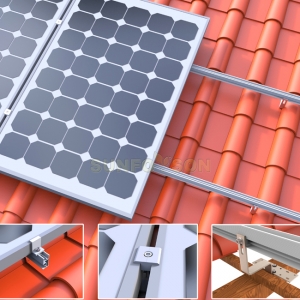
เป้าหมายหลักคือการผลักดันให้หน่วยงานราชการและครัวเรือนทั่วประเทศอย่างน้อย 10% ติดตั้งแผงโซลาร์เซลล์บนหลังคาเพื่อใช้เองภายในปี 2030 ผู้เชี่ยวชาญระบุว่าต้นทุนการลงทุนลดลงเหลือเพียง 40-50% ของระดับเมื่อห้าปีก่อน ทำให้แนวนโยบายนี้มีความคุ้มค่าทางเศรษฐกิจ
ในด้านการดำเนินการ รัฐบาลระดับจังหวัดกำลังร่างแผนอย่างแข็งขันเพื่อจัดลำดับความสำคัญของการติดตั้งแผงโซลาร์เซลล์บนดาดฟ้าอาคารสำนักงานและส่งเสริมการมีส่วนร่วมของประชาชน โดยมีเป้าหมายเพื่อบรรเทาปัญหาการขาดแคลนพลังงานที่คาดว่าจะเกิดขึ้นระหว่างปี 2026 ถึง 2028 ผ่านการจัดการด้านอุปสงค์ (DSM)
.
การเชื่อมต่อระดับภูมิภาค: ทางรถไฟจีน-ลาว เปิดเส้นทางโลจิสติกส์ใหม่สำหรับแผงโซลาร์เซลล์
นอกเหนือจากอินโดนีเซียและเวียดนามแล้ว ประเทศอื่นๆ ในเอเชียตะวันออกเฉียงใต้ก็กำลังขยายธุรกิจอย่างแข็งขัน โดยเฉพาะอย่างยิ่ง ความร่วมมือด้านห่วงโซ่อุปทานในภูมิภาคกำลังก้าวไปสู่ขั้นใหม่ เมื่อวันที่ 17 มีนาคม รถไฟขนส่งสินค้าบรรทุกโครงสร้างติดตั้งแผงโซลาร์เซลล์อัจฉริยะหนัก 300 ตัน ออกจากเมืองผานจือฮวา ประเทศจีน ผ่านทางรถไฟจีน-ลาว ไปยังเวียงจันทน์ ประเทศลาว เวลาในการขนส่งโดยรวมลดลงครึ่งหนึ่ง ช่วยลดต้นทุนและเปิด "ช่องทางทองคำ" ที่มีประสิทธิภาพสำหรับผลิตภัณฑ์แผงโซลาร์เซลล์ที่ผลิตในจีนเข้าสู่ตลาดเอเชียตะวันออกเฉียงใต้
.
ในขณะเดียวกัน การสนับสนุนในระดับมหภาคก็เพิ่มขึ้นอย่างต่อเนื่อง โครงการริเริ่มด้านการเปลี่ยนผ่านด้านพลังงานที่ได้รับการสนับสนุนจากสหประชาชาติ ได้ระดมทุนเบื้องต้นกว่า 4 ล้านดอลลาร์สหรัฐ เพื่อช่วยเหลือประเทศในเอเชียตะวันออกเฉียงใต้ รวมถึงฟิลิปปินส์ ในการเปลี่ยนไปใช้พลังงานสะอาดโดยไม่ทำให้การเติบโตทางเศรษฐกิจชะลอตัว โดยมุ่งเน้นที่การวางแผนพลังงานระยะยาวและการเชื่อมต่อโครงข่ายไฟฟ้าในระดับภูมิภาค
.